



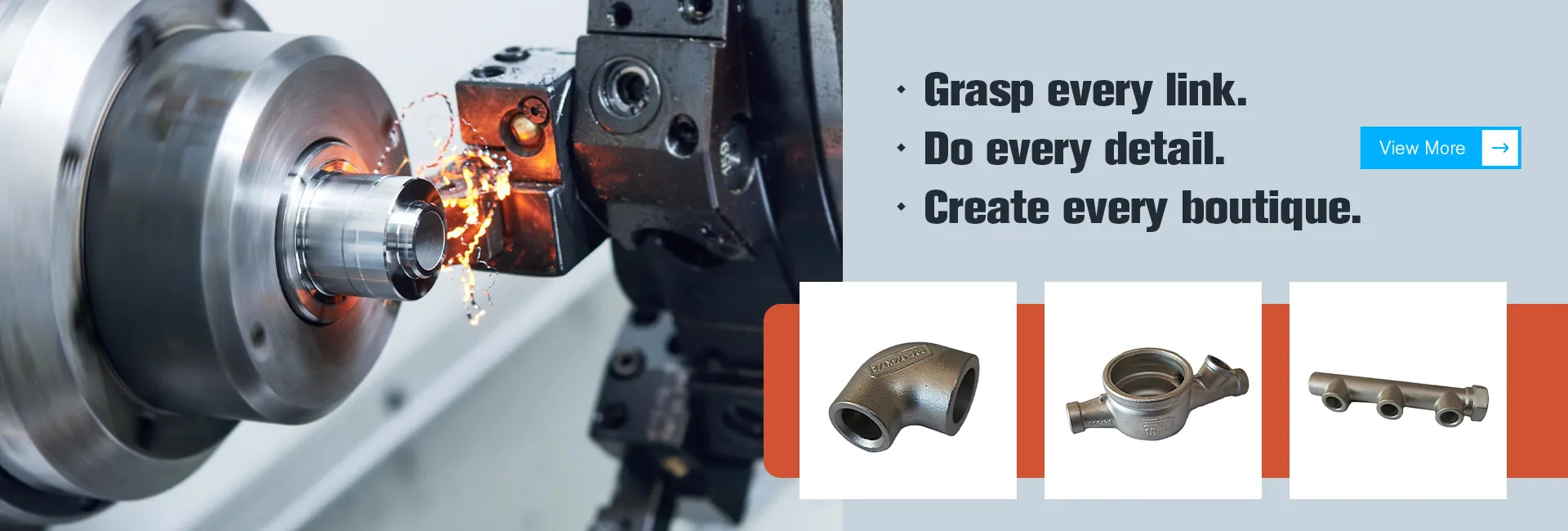
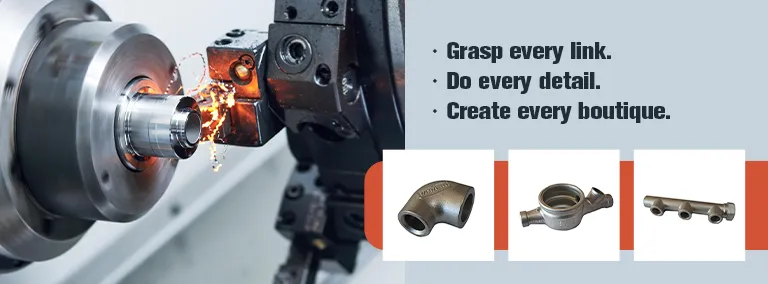
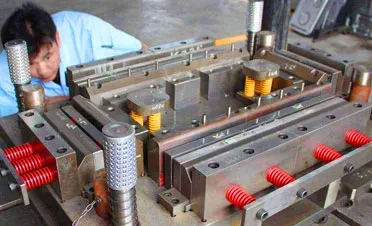

sand casting grey cast iron
sand casting grey cast iron
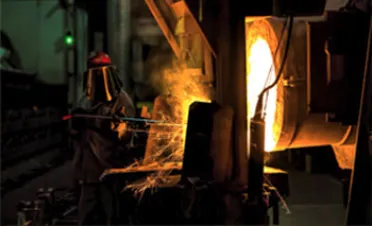
Iron Sand Casting An Innovative Approach to Metalworking Iron sand casting is an emerging technique that leverages the natural abundance of iron-rich sands to create various cast metal components. This method not only maximizes the utilization of local resources but also brings economic advantages to manufacturers and artisans involved in the metalworking industry. Historical Context The use of sand for casting dates back thousands of years, with early civilizations utilizing the technique for various applications from art to practical tools. However, the incorporation of iron sand into the casting process is a relatively newer development, drawing on the properties of iron-rich sands that can be found in various geographical locations around the globe. Countries such as New Zealand, Indonesia, and parts of the United States possess significant deposits of iron sand, which are suitable for this purpose. The Casting Process The iron sand casting process begins with the preparation of the sand, which is typically mixed with a binder to create moldable properties. The quality of the sand plays a crucial role in determining the characteristics of the final product. Unlike traditional foundry sands, iron sand grits are often finer and contain higher metallic content, making it more conducive to producing detailed and intricate castings. Once the sand is prepared, it is compacted around a pattern, which is a replica of the object to be cast. This sand mold supports the molten metal and defines the dimensions and surface texture of the final casting. When the mold is ready, molten iron is poured into the cavity created by the pattern. The high-temperature capabilities of iron allow for effective filling of the mold, resulting in a well-defined casting. After cooling, the solidified metal is removed from the sand mold. The sand can often be reused, providing a cost-effective and environmentally friendly option for manufacturers. This reuse not only reduces waste but also lowers the overall production costs associated with the casting process. iron sand casting Benefits of Iron Sand Casting One of the principal advantages of iron sand casting is the use of low-cost raw materials. Iron sand is often less expensive than other casting materials, enabling manufacturers to reduce their input costs significantly . Furthermore, the abundance of iron sand deposits means that production can be localized, minimizing transportation costs and enhancing sustainability. In addition to cost savings, the unique properties of iron sand can enhance the quality of the final products. Castings produced from iron sand often exhibit superior strength and durability, making them suitable for a wide range of applications, from industrial machinery to decorative art. The fine grain structure rendered by iron sand allows for smoother finishes and better surface details, giving manufacturers a competitive edge in terms of aesthetics and performance. Challenges and Considerations While iron sand casting presents numerous benefits, there are challenges to be addressed. One concern is the need for proper processing and purification of the sand. Impurities in the iron sand can affect the quality of the casting, leading to defects. Hence, extensive quality control measures should be implemented to ensure the consistency of the material used. Moreover, the technical expertise required for iron sand casting may be significantly different from traditional methods. Training and education for workers in this innovative technique are essential to achieve optimal results. Conclusion Iron sand casting represents a significant advancement in the field of metalworking, combining sustainability with economic advantages. Its ability to produce high-quality castings while utilizing locally sourced, low-cost materials makes it an appealing option for many manufacturers. As the industry continues to evolve, increased research and development will likely further optimize this casting method, paving the way for its broader adoption across various sectors. Embracing iron sand casting could not only enhance productivity and reduce costs but also contribute to a more sustainable future in manufacturing.
-
2026-06-16 15:07Precision Valve Solutions - High Accuracy, Leak-Free ControlInside China’s OEM Precision Castings Valve: field notes, specs, and what buyers actually care about Last month I was back in Baoding—3rd Floor, No. 678 Jinxiu Street, to be precise—walking a line that produces the Oem Precision Castings Valve. If you’ve been shortlisting a Precision Valve supplier, here’s a practical, slightly opinionated download on what matters right now. Market pulse and indus
-
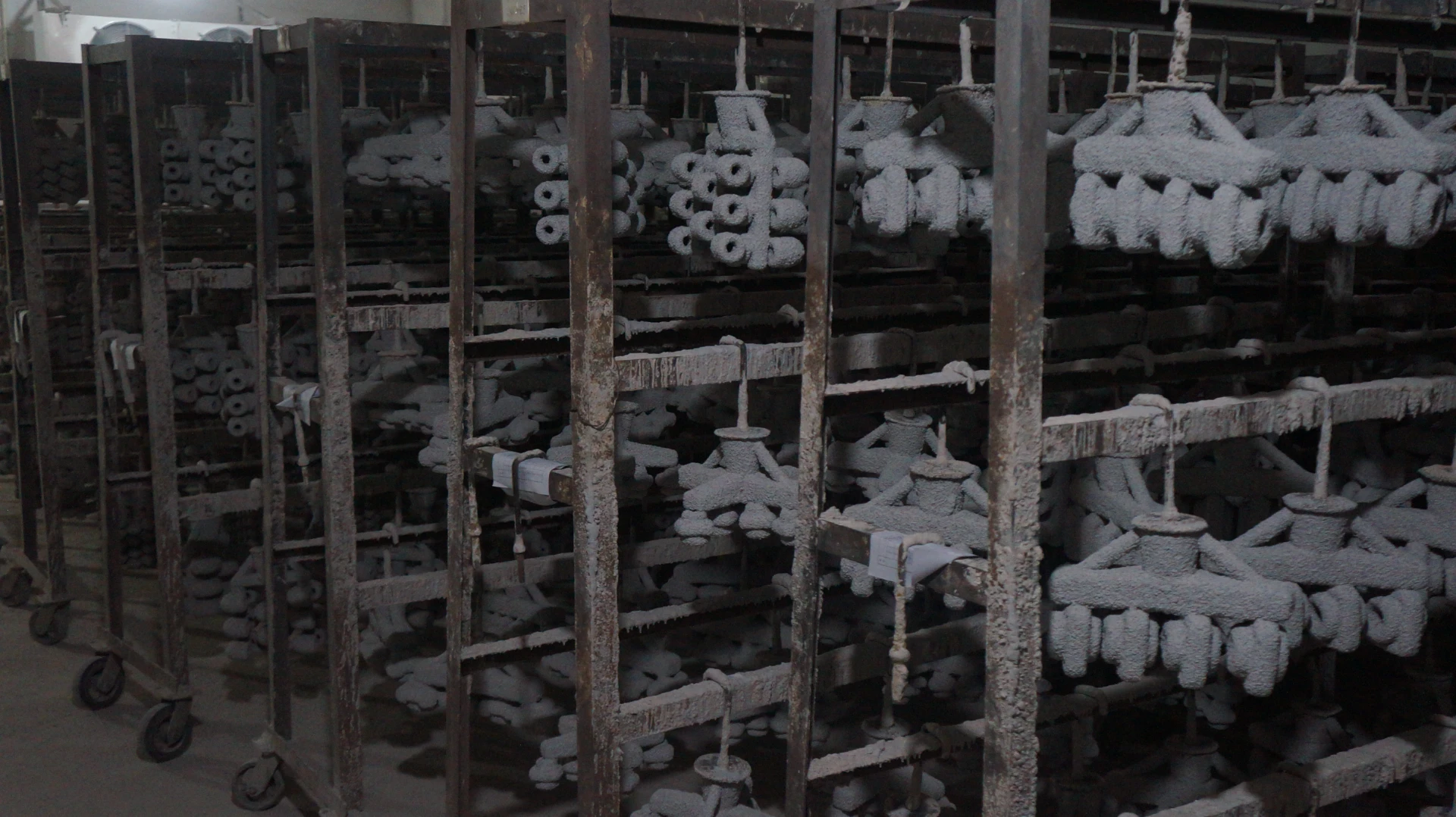 2026-06-16 14:50Лиття під тиском дослідження сплавів для виробництва в УкраїніДавальне сплавування технології, властивості та застосування Давальне сплавування (die casting) є одним із найбільш ефективних і популярних методів виготовлення металевих деталей з високою точністю. Цей процес передбачає лиття розплавленого металу у форму під високим тиском, що дозволяє отримувати деталі з складною геометрією та відмінною поверхневою якістю. Основними перевагами давального сплавув
 -
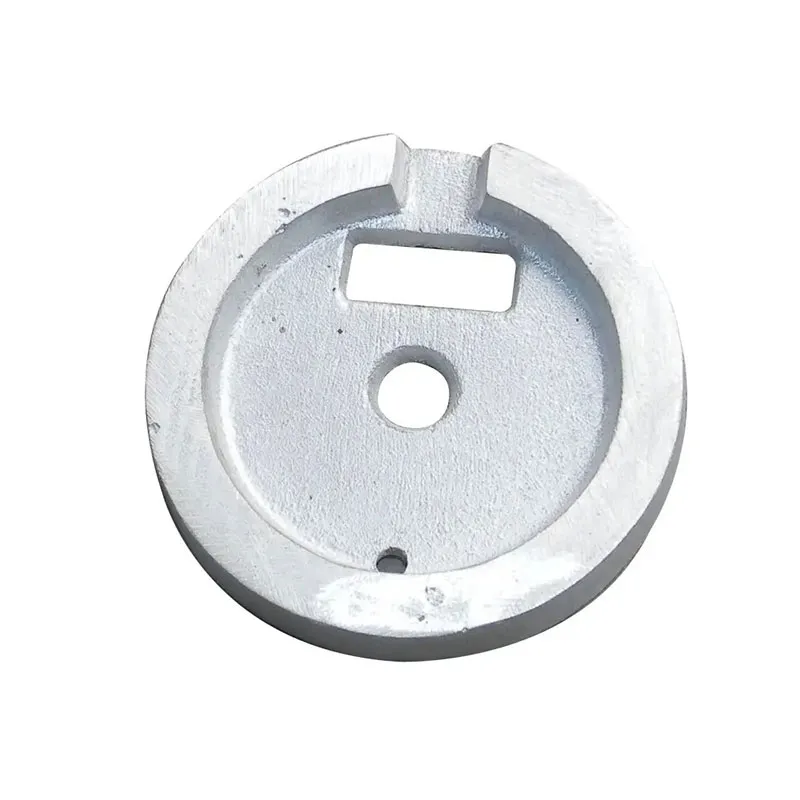 2026-06-16 13:48zinc sand castingThe Process and Advantages of Zinc Sand Casting Zinc sand casting is a fascinating and widely used manufacturing process that allows for the production of intricate and durable components. This technique is particularly favored in industries requiring complex shapes and high levels of dimensional accuracy, such as automotive, aerospace, and consumer goods. Understanding Zinc Sand Casting Zinc sand
 -
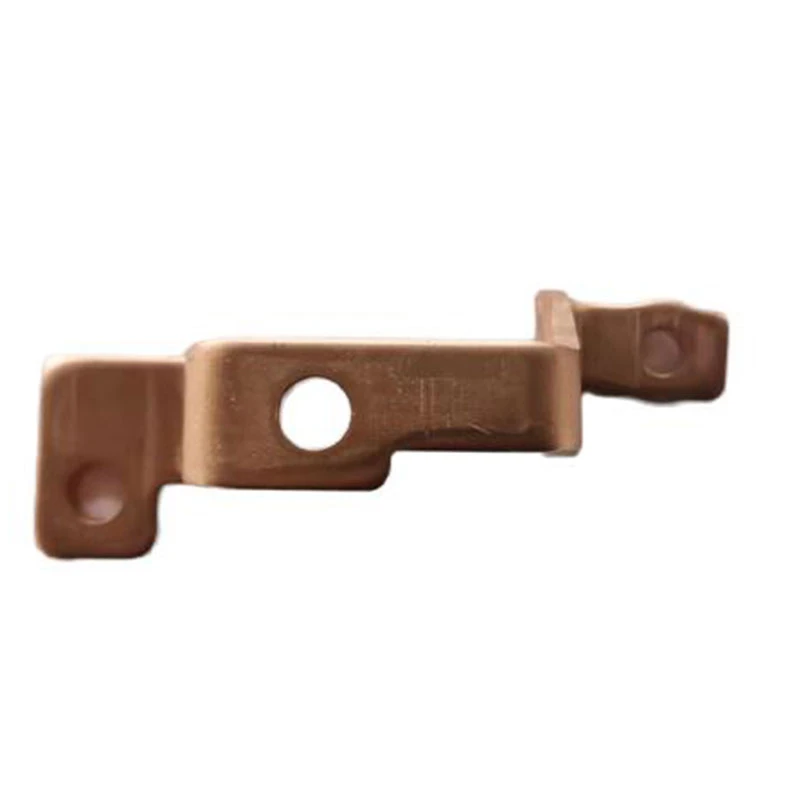 2026-06-16 13:33Precision Machining Supplier | Custom Parts & ManufacturingIntroduction to Advanced Machining Solutions In the intricate landscape of modern manufacturing, selecting a reliable machining supplier is paramount for industries ranging from aerospace to petrochemicals. These specialized entities provide critical components, often bespoke, that form the backbone of complex machinery and infrastructure. Their expertise lies in transforming raw materials into hi
 -
2026-06-16 13:18प्लेस रेती कास्टिङ हारियो ।लस्ट प्लास स्यान्ड कास्टिंग एक परिचय लस्ट प्लास स्यान्ड कास्टिंग एक आधुनिक कास्टिंग प्रविधि हो जुन विशेषतः धातुका भागहरूको निर्माणमा प्रयोग गरिन्छ। यो विधीले उच्च गुणस्तरीय र सटीकता भएका उत्पादनहरू सिर्जना गर्नको लागि लोकप्रियता पाएको छ। स्यान्ड कास्टिंगको पारंपरिक प्रक्रियामा, मोल्डको रूपमा प्रयोग गरिने बालुवा प्रयोग गरिन्छ, र यसमा लस्ट प्लासको तत्व थप गरिन्छ जसले प्रक्रिया लाई थप सहज र प्रभावकार